
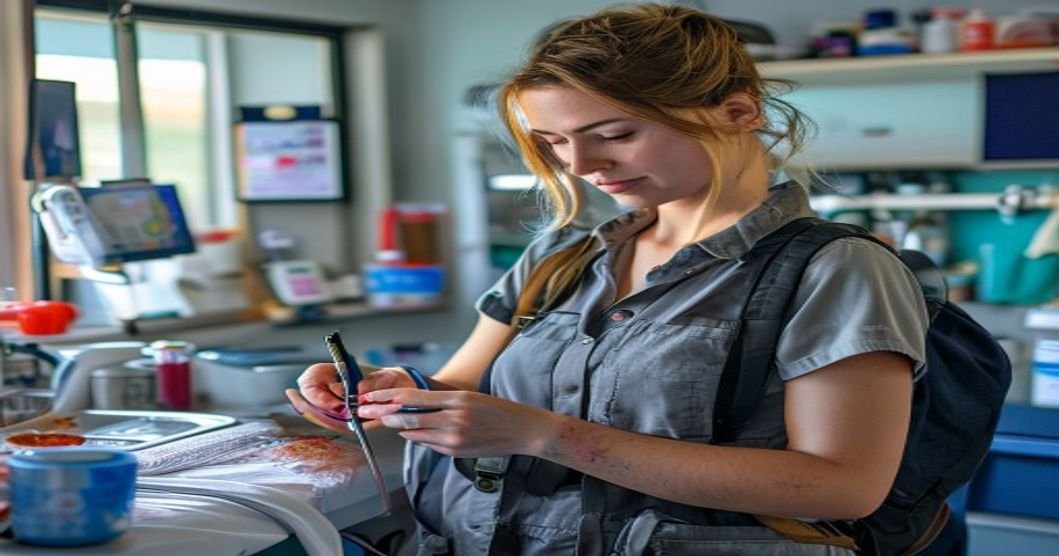
Imagine packing your bags for a new city every three months, all while building a rewarding healthcare career. If you love science, helping people, and exploring new places, becoming a travel phlebotomist might be your ultimate ticket to freedom.
Traditional phlebotomists are stuck in the exact same clinic or hospital lab day after day. Travel phlebotomists break that mold by taking short-term contracts wherever hospitals and research facilities need immediate help.
What is a Travel Phlebotomist?
A travel phlebotomist is a certified blood collection specialist who takes temporary assignments across different cities and states. Healthcare facilities hire these mobile professionals to cover staff shortages, seasonal illnesses, or sudden spikes in patient volume.
You perform the exact same daily tasks as a stationary lab technician. You verify patient identification, draw blood via venipuncture or fingersticks, label specimens accurately, and transport them safely to the laboratory.
The main difference is your zip code changes regularly. Assignments typically last between eight and thirteen weeks, giving you plenty of time to explore a new region before moving on to your next adventure.
Why Choose This Career Path?
Healthcare professionals are discovering massive benefits in mobile contract work. This job offers perks that standard 9-to-5 clinic positions simply cannot match.
- Higher Earning Potential: Travel contracts often pay significantly higher hourly rates than permanent staff positions, especially when housing stipends are factored in.
- Ultimate Flexibility: You get to choose when you work and when you take time off. Take a month off between contracts to relax or travel internationally.
- Skill Diversity: Working in different hospital systems, mobile blood drives, and specialized clinics looks incredible on a resume.
- Built-in Adventure: Your job literally pays for your relocation and living expenses while you discover new states and cities.
Before you pack your bags, you might want to look at the best places to solo travel as a woman to pick some dream destinations for your future contract assignments.
Essential Requirements to Get Started
You cannot simply decide to travel and start drawing blood tomorrow. Agencies and medical facilities demand strict qualifications to ensure patient safety.
1. Education and Certification
First, you must complete a state-approved phlebotomy training program. These programs are available at community colleges, vocational schools, and technical institutes, usually taking anywhere from a few months to a year.
Next, you need to earn your national certification. Most employers strongly prefer certifications from recognized organizations like the American Society for Clinical Pathology or the National Healthcareer Association.
2. Work Experience
Travel agencies rarely hire brand-new graduates. You typically need at least one to two years of recent, solid clinical experience in a hospital or busy lab setting.
Facilities expect you to walk in on day one with minimal training. You must be completely confident working independently and handling difficult sticks on pediatric or geriatric patients.
3. Licensing and Immunizations
Some states require specific state licenses to practice phlebotomy. You must research the legal requirements of every state where you plan to accept an assignment.
Additionally, you must maintain an up-to-date immunization record. Hospitals require annual tuberculosis screenings, Hepatitis B vaccinations, flu shots, and proof of immunity to common childhood diseases.
How to Find Travel Phlebotomy Contracts
Finding work requires partnering with specialized healthcare staffing agencies. These agencies act as the middleman between you and the medical facilities needing temporary staff.
When you sign up with an agency, a recruiter helps match your skills and location preferences with open contracts. They negotiate your pay rate, handle your onboarding paperwork, and often provide housing assistance.
To learn more about the strict legal and regulatory requirements involved in cross-state medical work, consult official resources like the Centers for Disease Control and Prevention for health compliance guidelines.
Smart travelers also know how to keep their personal finances organized while moving around constantly. If you need inspiration for packing light and staying organized on the road, check out this guide on ultimate beauty lifestyle fashion blog favorite products to keep your travel routine seamless.
Pros and Cons of Life on the Road
Every career has its challenges, and mobile healthcare is no exception. Weighing the good against the bad helps you decide if this lifestyle suits your personality.
On the positive side, the pay is great, the adventure is endless, and office politics fade away because you are only there for a few weeks. You avoid the burnout of long-term stagnant environments.
On the negative side, floating from place to place means constantly making new friends and saying goodbye. Finding short-term housing can sometimes be stressful, and you do not always get paid time off or employer-sponsored health insurance through every single agency.
Frequently Asked Questions
How much does a travel phlebotomist make?
Earnings vary based on location, experience, and the specific agency you use. On average, travel phlebotomists earn significantly more than permanent staff, often ranging from twenty-five to forty dollars per hour plus tax-free stipends for housing and meals.
Do I need my own car for travel assignments?
Yes, having reliable transportation is practically mandatory. You will need to drive to your assignments, commute to various clinical sites, and explore your temporary home cities during your days off.
How long are most travel contracts?
The standard contract length is thirteen weeks. Some facilities offer shorter eight-week contracts, while others might ask you to extend your stay for an additional block of time if they still need help.
Can I choose where I want to work?
Absolutely. You have total control over which job offers you accept. If you want to spend the winter in sunny Florida and the autumn in New York, you simply search for contracts in those specific regions.
Ready to turn your medical skills into a passport for adventure? Update your resume, secure your certifications, and reach out to a healthcare staffing agency today to kickstart your life as a travel phlebotomist!