
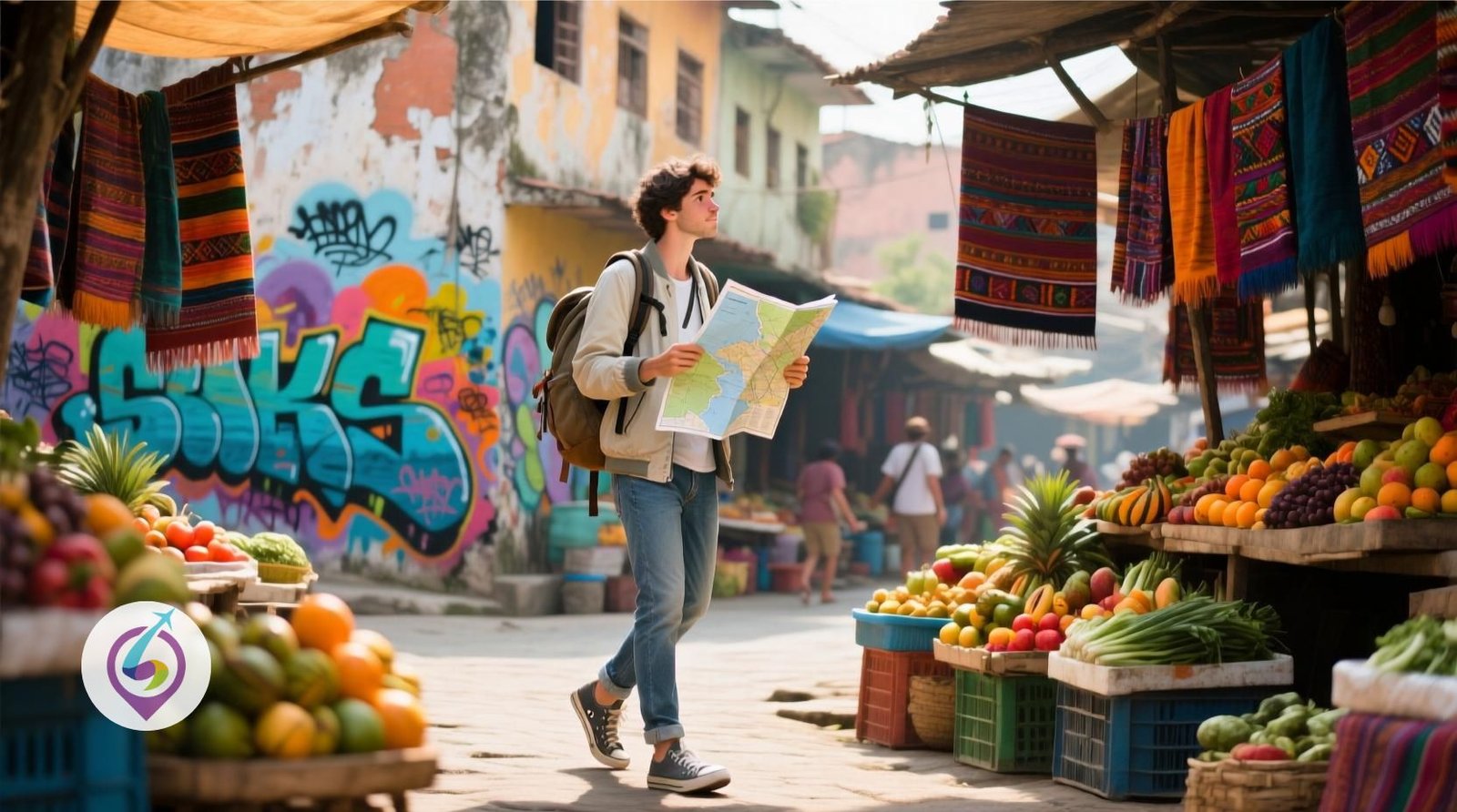
“I can’t afford to travel solo.”
I’ve heard this a hundred times from aspiring wanderers who assume that seeing the world requires a massive bank account.
But here’s the absolute truth for 2026: You don’t need a lot of money to travel the world alone.
I’ve backpacked through Japan, Norway, and New Zealand — countries historically known for being expensive — and consistently stayed under a strict budget of $50 a day.
And no, I didn’t sleep on park benches, hitchhike in dangerous storms, or skip meals to save a buck.
I simply mastered the art of smart budget strategies.
Whether you are planning your first big international journey or looking for Budget Solo Travel Tips: 12 Smart Ways to Save Money (2025 Guide), this comprehensive 2026 update shares 12 real, practical methods that helped me travel longer, safer, and happier without draining my savings.
Let’s turn your dream trip into an affordable reality. 💸✈️
💡 Why Budgeting Matters for Solo Travelers
When you travel alone, you pay for everything yourself — there is no one to split the cost of a hotel room, a taxi, or a dinner plate.
But here’s the good news:
Solo travelers often save more overall than couples or large groups because:
- You maintain absolute control over your daily spending habits
- You can easily choose hyper-affordable hostels, street food vendors, and public transit systems
- You have ultimate flexibility to pivot your itinerary when sudden flight or accommodation deals pop up
👉 Bottom line: Traveling solo on a budget isn’t about sacrifice or deprivation — it’s about making smart choices that prioritize experiences over luxury.
🧾 12 Budget Solo Travel Tips That Actually Work in 2026
💸 1. Travel During the Off-Season or Shoulder Season
Flying to popular European destinations like Greece or Italy in July means you will pay peak prices for every single thing you touch.
Instead, book your adventures during the shoulder seasons (May or September) — you get the exact same gorgeous weather, a fraction of the tourist crowds, and up to 50% cheaper flights and accommodations.
✅ Best Off-Season Picks:
- Europe: April to June, September to October
- Southeast Asia: Immediately after the heavy rainy season wraps up (November to February)
- Latin America and the Caribbean: May to June, September to October
👉 Pro Tip: Use modern tech tools like the Google Flights “Price Graph” or digital aggregators featured in top 10 Best Travel Apps for Solo Travelers – Must-Have Tools for 2025 to pinpoint the absolute cheapest months to fly.
✈️ 2. Use Advanced Flight Comparison Tools (and Be Wildly Flexible)
Never book directly on a major airline’s homepage without cross-referencing first.
Always compare rates across multiple engines:
- Google Flights (the gold standard for price tracking and calendar matrices)
- Skyscanner (use their famous “Everywhere” search feature to find unexpected cheap destinations)
- Kiwi.com (phenomenal for building complex, multi-city budget routes)
✅ Bonus Tricks:
- Always search with the “+/- 3 days” filter enabled to catch cheaper mid-week departures
- Set automated price alerts months in advance for your dream getaway
- Fly on Tuesdays and Wednesdays, which consistently remain cheaper than Friday or Sunday rushes
🌍 I recently secured a $380 round-trip flight from New York City to Lisbon simply by choosing a Tuesday departure and a Thursday return.
🏠 3. Stay in Social Hostels, Guesthouses, or Local Homestays
Traditional hotels are not only remarkably expensive for a single occupant — they can also feel isolating.
Instead, keep your overhead low by staying in:
- Hostels (ranging from $10 to $25 per night, complete with built-in social calendars)
- Guesthouses (private rooms offering comfort for under $30)
- Local Homestays (immersive alternatives that support grassroots communities)
✅ Top Booking Platforms:
- Hostelworld (the absolute best platform for solo travelers looking to meet people)
- Booking.com (unmatched inventory with reliable “Free Cancellation” filters)
- Agoda (frequently offers superior discount rates throughout Asia)
👉 Solo Tip: Always choose hostels that feature fully equipped common kitchens. Preparing your own breakfast or pasta dinners can easily save you $15 or more every single day.
🍜 4. Eat Like a Local (Not a Clueless Tourist)
Tourist-trap restaurants situated right next to major monuments routinely mark up their food prices by 300% while serving mediocre meals.
Instead, eat where the locals gather:
- Bustling street food stalls and night markets
- Central municipal food halls (such as Bangkok’s famous street vendors or Lisbon’s historic local markets)
- Neighborhood bakeries, local grocery stores, and corner delis
✅ Real World Cost Comparison:
A sit-down tourist restaurant meal in Southeast Asia = $8 to $12
Authentic street-side pad thai or local curry = $1.50 (and it invariably tastes vastly superior!)
👉 Pro Tip: Walk two blocks away from any major landmark, approach your hostel receptionist or a friendly local shopkeeper, and ask: “Where do YOU personally eat lunch around here?”
🚆 5. Master Public Transportation Systems
Hailing taxis, private airport cabs, and rideshare apps for every single journey will rapidly demolish your daily travel budget.
Instead, optimize your transit strategy:
- Utilize local buses, underground subways, commuter rail lines, and trams
- Purchase multi-day transit passes or reloadable smart cards immediately upon arrival
- Embrace walking tours or rent city bicycles for short hops
✅ Real Example:
In Berlin, an unlimited 7-day public transportation pass costs roughly €39.
Meanwhile, a single Uber ride from the main airport directly into the city center can easily exceed €45.
🚶♂️ Walking costs absolutely nothing — and it remains the single best way to discover hidden alleyways, local street art, and independent coffee shops.
🎯 6. Prioritize Free and Low-Cost Cultural Activities
You do not need to drop $50 to $100 on every guided excursion advertised online.
✅ Incredible Free Things to Do Worldwide:
- Join tip-based free walking tours (where you tip what you can afford, usually $5 to $10)
- Explore national parks, coastal cliff walks, and mountain hiking trails
- Relax in lush city botanical gardens and public beaches
- Take advantage of museum free-admission days (often held on the first Sunday of every month)
- Wander through historic quarters and architectural districts completely on foot
👉 Essential Apps for Finding Cheap Fun:
- Freetour.com or GuruWalk for finding certified local walking tours
- Meetup for tracking down free community social events and language exchanges
- Google Maps “Nearby” Feature → Search explicitly for “parks”, “viewpoints”, and “local markets”
💳 7. Secure a No-Fee Travel Credit Card and ATM Card
Standard bank cards slug you with nasty foreign transaction fees that tack an extra 3% onto every single purchase you make abroad.
Protect your hard-earned cash by switching to specialized international banking products.
✅ Top Financial Tools for Travelers:
- Charles Schwab debit card (which fully reimburses all international ATM fees worldwide at the end of each month)
- Revolut or Wise (multi-currency digital wallets providing interbank exchange rates with zero hidden markups)
- Capital One Venture or similar cards (featuring zero foreign transaction fees and rewarding travel point systems)
👉 Pro Tip: When using international ATMs, always withdraw larger lump sums rather than small frequent amounts to minimize the impact of fixed network operator fees.
🧑🤝🧑 8. Travel Slow, Not Fast
Rushing frantically from one country to another every three days guarantees you will hemorrhage money on high-speed trains, last-minute flights, and rushed logistics.
Instead, adopt the slow travel philosophy:
- Commit to staying 7 to 10 days minimum in a single destination
- Utilize slow regional buses and scenic trains for regional connections
- Rent private apartments or extended-stay guesthouses for a full week to unlock weekly promotional discounts
✅ Example Breakdown:
1 full week spent exploring Portugal at a relaxed pace:
- Hostel bed: $70
- Self-catered groceries combined with local cafes: $70
- Local regional transport: $30
= An incredibly manageable $24 per day average
🛍️ 9. Avoid Tourist Traps and Overpriced Souvenir Shops
That $35 “authentic handmade painting” sold right outside a major colosseum is almost certainly mass-produced in a factory.
✅ Smart Shopping Rules:
- Purchase authentic artisanal souvenirs directly from working craftspeople at neighborhood weekend flea markets
- Prioritize collecting high-resolution photography and digital memories rather than heavy plastic trinkets
- Politely master the art of saying “no thank you” to aggressive street vendors
👉 Golden Rule: If an item is actively sold at every single souvenir stand surrounding a landmark, it is universally overpriced and inauthentic.
🧑🌾 10. Leverage Volunteer Programs and Work Exchanges
Want to extend your travels indefinitely without emptying your bank account?
Look into trusted global work exchange platforms:
- Workaway.info (trade a few hours of daily assistance on organic farms, eco-lodges, or community hostels for free housing)
- Worldpackers (secure free accommodation and meals in exchange for reception work, language teaching, or social media creation)
- Couchsurfing (stay with verified local hosts for free — though safety research is always paramount)
✅ Real Experience:
I volunteered for 4 hours each morning at an independent eco-hostel in Bali, which completely covered my free bed and daily breakfast for two full weeks.
⚠️ Always thoroughly read past reviews and maintain direct communication with hosts before committing to any long-term stay.
📱 11. Utilize Free Wi-Fi and Avoid Expensive Data Roaming
Relying on your domestic mobile carrier’s international day pass will quietly drain your budget.
✅ Stay Connected Affordably:
- Piggyback on high-speed free Wi-Fi available at cafes, libraries, transport hubs, and hostels
- Download comprehensive offline Google Maps and translation packs before stepping outside
- Communicate with loved ones back home using data-based messaging apps like WhatsApp or Telegram
- Purchase an inexpensive local physical SIM card or eSIM upon arrival (e.g., getting a multi-gigabyte data pack for a few dollars in Southeast Asia)
👉 Crucial Setting: Disable automatic cloud photo backups and high-data background app refreshes while roaming on cellular networks.
🗓️ 12. Track Your Daily Spending Rigorously
It is remarkably easy to lose track of minor expenditures when you are swept up in the excitement of a new country.
✅ Effective Expense Tracking Tools:
- Trail Wallet (one of the finest dedicated budget apps built specifically for independent travelers)
- Revolut or Monzo built-in analytics (which automatically categorize your transactions in real time)
- A classic pocket notebook and pen (simple, tactile, and completely foolproof)
👉 Daily Habit Tip:
Establish a firm daily spending ceiling (e.g., $40) and review your tallies every evening over dinner.
If you stayed well under budget today — treat yourself to a nice dessert!
If you overspent — plan a simple home-cooked hostel dinner tomorrow.
💬 Real Example: My 10-Day Solo Trip to Portugal (Total: $380)
To prove how achievable this is, here is the exact ledger breakdown from one of my favorite solo European getaways:
👉 All achieved without ever sacrificing personal safety, baseline comfort, or unforgettable cultural fun.
✅ Final Thoughts: Travel More, Spend Less
You don’t need a massive salary, a trust fund, or corporate sponsorships to travel the world solo.
You simply need a smart, intentional plan.
Incorporate these strategies alongside expert advice from guides like Solo Female Travel Tips: Stay Safe, Confident & Free in 2026 to stretch your hard-earned money, minimize travel stress, and stay out exploring the world for months at a time.
🌍 Remember: The absolute best travel experiences in life are never the most expensive ones — they are the most meaningful and authentic.
Start small. Save smart. Pack your essentials using a Solo Travel Packing List: What to Bring (And What to Skip) in 2025, and go see the world — one affordable adventure at a time.
🔗 Related Reads:
Frequently Asked Questions (FAQ)
1. How much money do I need saved up before starting solo travel?
The exact amount depends entirely on your chosen destination. In Southeast Asia or parts of Latin America, you can comfortably travel on $30 to $50 per day. For Western Europe, Australia, or Japan, aim for $60 to $90 per day if you stay in hostels and eat smart. Always keep an emergency fund of at least $500 to $1,000 separate from your active travel budget.
2. Is it safe to stay in hostels when traveling alone on a budget?
Yes, thousands of solo travelers stay in hostels every single night without issue. To maximize safety, choose highly rated properties on Hostelworld, read recent reviews, book female-only dorm rooms if preferred, and always utilize the hostel’s secure lockers for your passport, laptop, and valuables.
3. What is the cheapest way to book international flights?
Flexibility is your greatest asset. Use Google Flights and Skyscanner with flexible date grids, search mid-week departures, and track price fluctuations months in advance. Booking one-way tickets or combining budget airlines within a region can also drastically slash your transit costs.
4. How do I meet people when traveling solo without spending money on expensive tours?
You don’t need pricey nightlife crawls or guided excursions to make friends. Staying in social hostels, joining free walking tours, participating in community cooking nights, and using apps like Meetup or local language exchange groups are fantastic, zero-cost ways to connect with fellow travelers and locals.
5. Can I really travel indefinitely using volunteer programs?
Absolutely. Platforms like Workaway and Worldpackers connect travelers with hosts who offer free accommodation and meals in exchange for a few hours of daily help. This drastically cuts your biggest daily expense (lodging) and allows you to live like a local for weeks or months at a fraction of the normal cost.
💬 What’s Your Best Money-Saving Tip?
Drop your favorite budget hack in the comments below! I read every single message and love learning new ways to save from fellow wanderers.
And if this guide helped you plan your next adventure, share it with a friend who thinks they “can’t afford” to explore the world alone. 💙