
Traveling solo is one of the most rewarding experiences you can have, offering a unique opportunity for personal growth, ultimate freedom, and unforgettable self-discovery. But let’s be honest, safety is the number one concern for most solo travelers, whether they are stepping out on their very first weekend getaway or embarking on a multi-month backpacking expedition.
I’ve backpacked through dozens of countries alone, navigating everything from crowded, chaotic streets in major global hubs to remote villages off the beaten path. Over the years, I’ve had my phone stolen from my hand, been followed down dimly lit alleys, and even fallen victim to a clever local scam.
But guess what? I still travel solo, and looking back, I feel safer, more confident, and more capable than ever before.
Why? Because I’ve learned the right safety habits, situational awareness techniques, and modern digital tools that keep me out of harm’s way.
In this comprehensive 2026 guide, I’ll share 15 real, practical safety tips for solo travelers based entirely on my own mistakes, triumphs, and hard-earned lessons. Whether you are a total beginner or a seasoned digital nomad, these strategies will help you stay protected, avoid danger, and enjoy your trip with absolute peace of mind. For additional foundational advice, be sure to check out our broader guide on Solo Female Travel Tips: Stay Safe, Confident & Free in 2026.
🛡️ 1. Research Your Destination Before You Go
Don’t just book a cheap flight and expect to wing it entirely without preparation. While spontaneity is part of the magic of independent travel, basic reconnaissance is essential for survival.
Spend at least 30 minutes thoroughly researching your destination before landing:
-
Check your government’s official travel advisory (e.g., travel.state.gov for US citizens, gov.uk for UK citizens) to stay updated on civil unrest, localized crime trends, or health warnings.
-
Look up common localized scams (e.g., “fake taxi scams,” “spiked drink scams at tourist bars,” or “overcharging distractions”).
-
Know which neighborhoods to completely avoid at night and understand local cultural norms regarding dress code and behavior.
👉 Pro Tip: Search “common scams in [country]” on Google or Reddit threads. Real travelers post instantaneous warnings about active scams that official government websites often fail to mention.
📍 2. Share Your Location & Itinerary
Never completely disappear off the grid. Always tell a trusted friend or family member back home where you’re going, where you are staying, and when you plan to check in next.
Utilize modern location-sharing apps such as:
-
WhatsApp (share your live real-time location for 1 hour, 8 hours, or indefinitely during transit)
-
Find My (iOS) or Google Find My Device (Android)
-
bSafe (sends emergency alerts and live feeds to designated emergency contacts)
Set a consistent daily check-in time with your designated contact person. If you fail to reply or check in by that specified window, they will instantly know something might be wrong and can take action.
✅ Why it works: Most solo travel dangers stem from isolation and invisibility. Stay connected digitally so you are never truly alone in the eyes of your support network.
👀 3. Trust Your Gut, Always
Your internal instincts are your absolute best safety tool. Humans possess an evolutionary radar for danger that often picks up subtle red flags before our conscious mind can process them.
If a place feels off, a person seems overly pushy or invasive, or a situation feels risky for no apparent reason, leave immediately. You do not need to worry about being polite.
I once booked a hostel that looked immaculate and highly rated online, but the absolute moment I walked through the front door, a heavy, unsettling feeling came over me. I walked right back out within an hour, checked into a different hotel down the street, and later read reviews confirming that the original hostel had an ongoing inside-job theft problem.
👉 Rule of thumb: If you feel uncomfortable or uneasy, it’s never worth the risk to stay and see what happens.
🎒 4. Don’t Flash Valuables
Displaying wealth makes you an immediate target for opportunistic pickpockets and thieves. Blend in as much as humanly possible.
Avoid:
-
Wearing expensive luxury watches, heavy gold jewelry, or designer statement pieces
-
Casually scrolling on your high-end smartphone while walking distracted in crowded, chaotic areas
-
Carrying a bulky, flashy professional DSLR camera dangling openly around your neck
Instead:
-
Use a hidden money belt, neck pouch, or compression waist band underneath your clothes for emergency cash and backup cards
-
Keep your phone securely in your front pocket or zipped inside an inner bag compartment
-
Carry a decoy wallet containing expired credit cards, loyalty cards, and a small amount of local pocket cash (handy if you ever encounter an aggressive mugger)
🚖 5. Use Trusted Transportation
Tourists carrying heavy luggage are primary targets for dishonest taxi drivers and unverified transport operators.
✅ Do this:
-
Use verified ride-sharing apps like Uber, Bolt, or Grab where routes are tracked digitally and driver identities are verified
-
Book official airport transfers in advance through your hotel or verified platforms
-
Ask your hostel or hotel front desk to call a trusted cab company on your behalf
❌ Avoid:
-
Unmarked, street-hailed taxis, especially late at night
-
Drivers who flatly refuse to turn on the digital meter or negotiate a fair fare beforehand
-
“Friendly” strangers hanging around transit hubs offering unsolicited rides or private tours
🌍 In Bangkok early in my travels, I once hopped into an unmarked cab. The driver refused the meter and extorted me for $50 for a short 10-minute ride while threatening to lock the doors. Never again.
🏨 6. Choose Safe Accommodation
Where you sleep forms the foundation of your travel safety. Pick lodgings equipped with robust security measures:
-
24/7 front desk reception (so someone is always awake and monitoring who enters)
-
Secure digital lockers or in-room safes for your passport and electronics
-
High ratings and positive reviews, specifically highlighting safety from other solo travelers
Use trusted booking platforms like:
-
Hostelworld (filter explicitly by “solo traveler friendly” and check cleanliness/security scores)
-
Booking.com (look for properties tagged with “Great Location” and “Free Cancellation”)
👉 Solo pro tip: If you love the social atmosphere of hostels but value your personal security, book accommodations that offer female-only dorms or upgrade to a budget-friendly private room.
📵 7. Avoid Using Phones Late at Night
Walking down a dark street with your eyes glued to a glowing phone screen screams, “I’m completely lost, unaware of my surroundings, and distracted.”
This vulnerability makes you a prime target for drive-by phone snatchers on motorbikes or opportunistic pickpockets.
✅ Instead:
-
Pull out your navigation map and review your route before you leave the safety of a café, restaurant, or hotel lobby
-
Memorize key street names and turns
-
Use offline Google Maps or Maps.me (download your destination maps in advance so you don’t need active data)
If you absolutely must check your phone outdoors, step inside a well-lit convenience store, open shop, or hotel entryway.
🧳 8. Lock Your Bag and Yourself
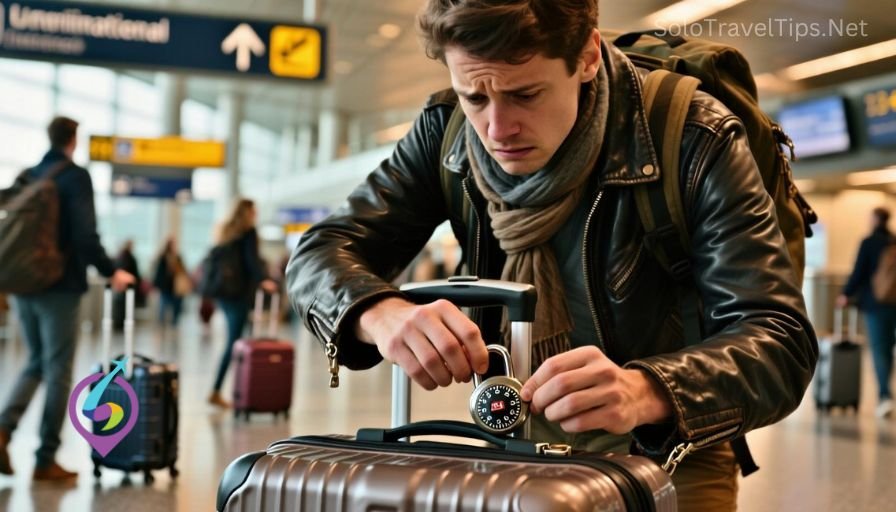
Use sturdy padlocks on all backpack zippers and main compartment pulls to deter opportunistic thieves in crowded transit stations or dorms.
For enhanced security:
-
Use reinforced steel cable locks to secure your main pack to a metal bed frame, locker, or luggage rack when staying in hostels
-
Never leave your daypack or valuables unattended on a chair, beach towel, or café floor, even for “just one minute”
💡 I always use a TSA-approved combination lock so airport security can inspect my bag without cutting the locks off.
🗣️ 9. Learn Basic Local Phrases
Knowing a handful of key words in the native language builds instant rapport, commands local respect, and helps you in critical emergencies.
At a bare minimum, memorize:
-
“Hello”, “Thank you”, “Help!”
-
“Where is…?”, “How much does this cost?”
-
“I need a doctor”, “Call the police immediately”
Even shouting an assertive, confident “No, thank you!” in the local tongue can often deter pushy street vendors, scammers, or unwanted attention faster than English ever could.
🕰️ 10. Stay Visible After Dark
When night falls, your navigation strategy should shift entirely toward high visibility and populated environments.
Stick strictly to:
-
Well-lit, bustling commercial streets
-
Busy restaurant and nightlife districts
-
Main thoroughfares with heavy foot traffic
Avoid:
-
Dark, narrow alleyways and shortcuts
-
Empty public parks or deserted beaches
-
Isolated street-corner ATMs hidden from view
👉 Golden Rule: If you wouldn’t feel comfortable walking down that specific street alone in your hometown at midnight, do not do it in a foreign country.
🧑🤝🧑 11. Meet People, But Be Smart
Is solo travel lonely? Not if you don’t want it to be. You will meet incredible, likeminded travelers from all over the world.
However, remember that not everyone you meet has pure intentions.
✅ Safe ways to connect:
-
Join free walking tours on your first day in a new city (the ultimate icebreaker for solo travelers)
-
Book activities through platforms like GetYourGuide or stay in social backpacker hostels
-
Use community apps like Meetup, Couchsurfing Hangouts, or Backpackr
❌ Major red flags:
-
A stranger who insists on meeting you alone in a private or secluded setting immediately
-
Aggressive pressure to accompany them to an unfamiliar bar, club, or private apartment
-
Inquiries about your personal finances, where your money is kept, or your exact room number
✅ My strict rule: Always meet new acquaintances in public, crowded places first.
📸 12. Don’t Overshare on Social Media
Posting updates like “Alone in my hotel room tonight, anyone in the area want to grab a drink?” on Instagram or TikTok in real-time is a massive security risk.
Avoid:
-
Sharing your exact real-time GPS location on public stories
-
Broadcasting the fact that you are traveling alone in your captions
-
Displaying exterior hotel signage, room numbers, or street views that reveal your exact lodging
✅ Do this instead:
-
Post your adventures with a time delay (publish photos and videos after you have already checked out and moved to a different neighborhood or city)
-
Caption your posts broadly, such as “Exploring the historic center of [city]” rather than “Chilling alone in Room 402”
Digital privacy equals physical safety.
🧾 13. Keep Digital & Physical Copies of Important Docs
What happens if your passport gets stolen or lost? It can quickly turn into a logistical nightmare if you aren’t prepared.
✅ Always have these redundancies:
-
High-resolution scanned digital copies of your passport photo page, visa stamps, and national ID (stored securely in Google Drive, iCloud, and emailed to yourself)
-
Screenshots of flight confirmations, insurance policies, and accommodation bookings
-
Emergency contact numbers written down on a physical card in your wallet
Keep at least one printed physical copy of your passport tucked away in a separate bag (completely apart from where you carry your original passport).
🆘 14. Know Emergency Numbers
Many travelers assume every country uses 911 in an emergency. They don’t. Dialing the wrong number during a crisis wastes precious seconds.
Common international emergency numbers:
-
Europe (EU-wide): 112
-
USA and Canada: 911
-
Australia: 000
-
UK: 999 or 112
-
India: 112
Save these numbers directly into your phone contacts under an entry labeled “EMERGENCY” so they can be accessed instantly. Additionally, keep the direct phone number and address of your home country’s local embassy or consulate bookmarked.
🛠️ 15. Use Safety Apps (They Save Lives)
Leverage modern technology by downloading these essential free safety apps before embarking on your journey:
| App | What It Does |
|---|---|
| bSafe | Sends instant live GPS tracking, audio recordings, and distress alerts to your designated emergency contacts. |
| TripWhistle | Instantly connects you to local emergency services worldwide regardless of which country you are visiting. |
| Fake Call / Burner Apps | Simulates an incoming phone call to help you gracefully exit awkward, pushy, or unsafe social situations. |
| Norton Secure VPN / ProtonVPN | Encrypts your web traffic and secures your browsing when connected to vulnerable public Wi-Fi networks in airports or cafes. |
👉 Tip: Make sure you test these apps before you leave home and ensure offline features are enabled where applicable.
✅ Final Thoughts: Safety Isn’t Fear, It’s Preparation
Solo travel is not inherently dangerous; rather, it is an exercise in being smart, intuitive, and aware.
You do not need to walk around feeling paranoid or terrified of your own shadow. You simply need to be prepared.
By following these 15 safety tips for solo travelers, you will drastically reduce unnecessary risks and clear away anxiety so you can focus entirely on what travel is truly about — discovering incredible new cultures and enjoying the ultimate adventure of a lifetime.
🎒 Remember: The world is vastly kinder, warmer, and safer than sensationalist evening news makes it out to be. Go explore it with an open heart and a cautious, well-prepared mind.
🔗 Related Reads
- 10 Best Countries for Solo Travelers in 2026 – Safe, Friendly & Unforgettable
- Solo Travel Packing List: What to Bring (And What to Skip)
- 10 Best Travel Apps for Solo Travelers – Must-Have Tools
❓ Frequently Asked Questions (FAQ)
Is solo travel safe for beginners?
Yes, absolutely! Millions of people take their very first solo trip every year. Starting with beginner-friendly countries with great infrastructure, reliable public transit, and English-spoken hospitality makes the transition smooth and stress-free.
What is the single most important safety rule for solo travelers?
Trust your gut instinct. If a location, accommodation, or person makes you feel uneasy or uncomfortable, remove yourself from the situation immediately without worrying about being polite.
How can I meet people safely while traveling alone?
The safest ways to socialize are joining organized group walking tours, booking cooking or craft classes, staying in well-reviewed social hostels, and meeting up in busy public cafes or restaurants rather than private locations.
What should I do if my phone or wallet gets stolen abroad?
First, secure your lodging and contact your bank immediately to freeze your credit and debit cards. File an official police report (which you will need for travel insurance claims), and contact your country’s local embassy or consulate if your passport was stolen.
💬 Got a Safety Tip to Share?
Drop your favorite safety advice in the comments below. I read every single message and reply to all questions.
And if this guide helped you feel more confident, share it with a friend who is currently planning their first solo adventure! 🌍✈️